
Menu
How to Prepare Your Concrete for Resurfacing in Redmond
Concrete Resurfacing Redmond
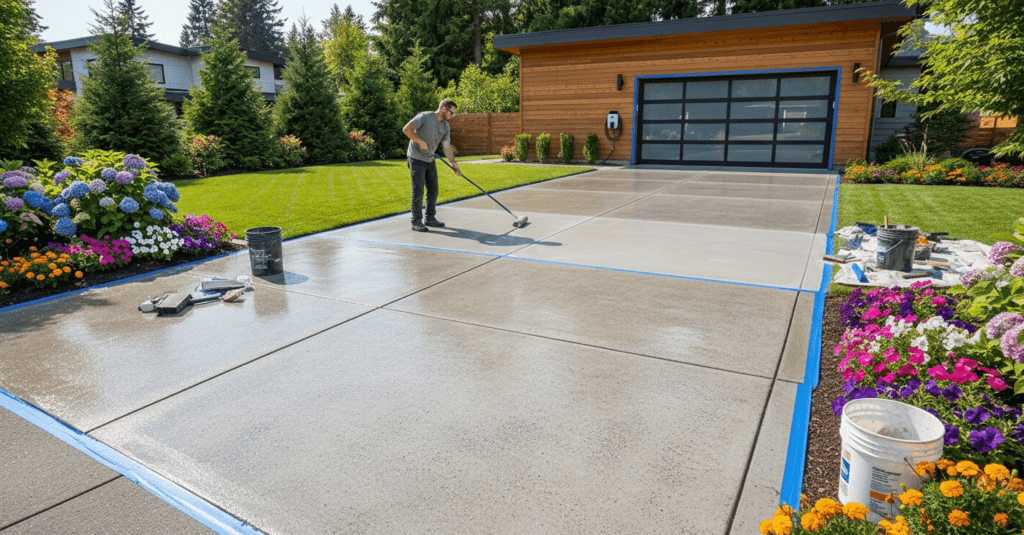
Concrete resurfacing is an economical method to renew the look of and/or function of your concrete that has been damaged or shows wear around your Redmond property. Resurfacing a driveway, patio, or walkway, for example, provides a more affordable alternative to replacing it entirely. It is very important to properly prepare the area so the new surface attaches correctly and can last for many years. The environment in Redmond (wet winters, dry summers) requires better preparation than other areas. In this article, we have outlined the primary steps to get your concrete ready for resurfacing, resulting in a smooth and long-lasting finish.
Inspect the Concrete
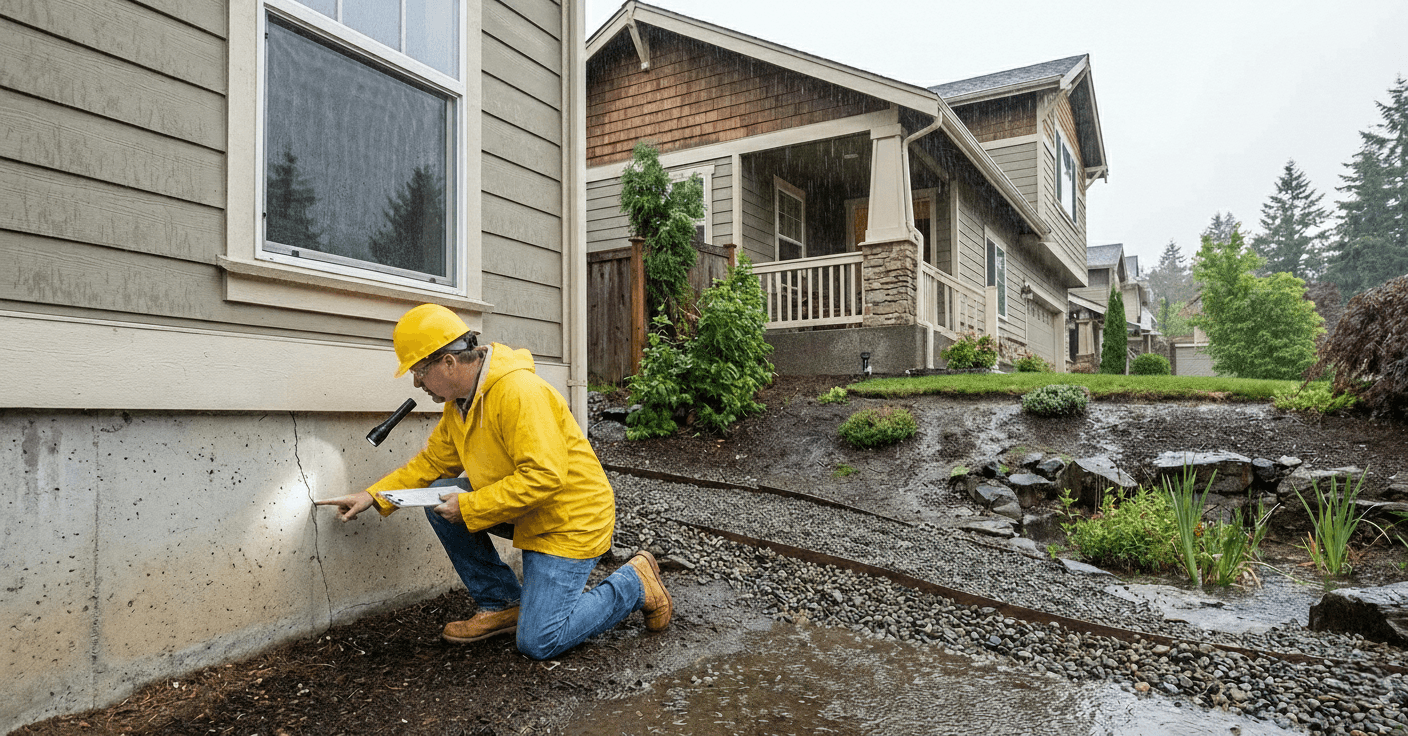
The first step is to inspect the condition of your concrete. Examine your concrete for cracks, spalling (flaking off), or any areas where the concrete has become uneven. Most minor cracks can be patched using a patching compound. Larger cracks may require a more substantial repair. If the concrete is in a state of disrepair and/or has structural issues, resurfacing will not work; instead, a complete removal of the damaged area will be required.
When looking at the concrete, look closely at the areas where water is pooling. This could indicate problems with drainage, which will need to be addressed before resurfacing. The new coating will adhere better to the concrete if drainage problems have been fixed and the water is no longer collecting under the new coating. If you’re unsure of how much damage exists in your concrete, contact a professional contractor to assess your concrete and provide recommendations on what should be done next.
In Redmond, Washington, due to the many freeze/thaw cycles that occur here, it’s particularly important to repair any cracks or damage that exist in your concrete prior to resurfacing. Once water enters a crack in your concrete, it will freeze and expand when it freezes. This will cause additional damage to the concrete, so repairing cracks/damage now will save you from having to deal with more extensive damage later.
Thoroughly Clean the Surface
You want a clean surface to ensure that the resurfacing material bonds well to the existing concrete. Remove all debris, dirt, and loose concrete with a broom or leaf blower. If there are difficult stains or grease on your surface, you’ll need to use a degreaser or concrete cleaner to remove them. A pressure washer works well for deeper cleaning and opens up the pores of the concrete.
If mold or mildew is present on the surface, treat the area with a bleach solution or a product specifically designed to kill mold/mildew. Once you’ve treated the area, make sure to wash the entire surface to get rid of any remaining bleach solution. Allow the surface to air dry completely before continuing.
It is also important to remove any previous sealers/coatings from the surface. These products can affect how well the resurfacing material sticks to the existing concrete and can negatively affect the quality of the final product. You will need to either use a chemical stripper or a grinder to remove any previous sealers. Be careful when using either of these methods; follow the manufacturer’s instructions.
Repair Cracks/Damage
Repairing cracks/damage is one of the most important steps to take in preparing the surface for resurfacing. For small cracks/holes, use a concrete patching compound to fill the void. For larger cracks, use a concrete filler or an epoxy injection. Read and follow the manufacturer’s instructions for mixing and application to ensure a good repair.
Once you have patched the cracks, use a trowel to smooth out the area and let it cure completely. If the concrete has “spalled” or flaked off, remove the loose material and apply a bonding agent to the area before patching. This will allow the repaired section to blend smoothly with the rest of the surface and create a solid base for the resurfacing material.
If the damage to your concrete is severe (large cracks/sunken sections), you may need to apply a leveling compound before resurfacing. This will create a smooth surface for the resurfacing material to adhere to, creating a professional-looking finish. Let the leveling compound cure completely before proceeding.
Etch the Concrete Surface
Etching the concrete will create a textured surface, allowing the resurfacing material to stick better. Use a muriatic acid solution or a commercially available etching product, following the manufacturer’s instructions. Spray or brush the solution onto the surface, making sure to cover the entire surface evenly. Once you’ve applied the solution, thoroughly rinse the surface with water. Allow the surface to dry completely before proceeding.
Etching is especially important when dealing with smooth or previously sealed concrete because it opens the pores of the surface, creating a surface that the new coating can attach to properly. If you’re unsure about whether to etch your surface, contact a professional for their advice. Etching is an essential part of creating a lasting resurfacing job.
After etching, thoroughly rinse the surface to remove any remaining solution. Make sure the surface is completely dry before applying the resurfacing material. This is very important to ensure that the new layer attaches correctly to the concrete and does not peel/flake off prematurely.
Apply a Bonding Agent
A bonding agent improves the adhesion of the existing concrete to the resurfacing material. Choose a bonding agent that is compatible with the resurfacing material you plan to use and apply it evenly with a brush or roller. Allow the bonding agent to dry until it becomes tacky before applying the resurfacing material. This step is critical to ensure that the new layer adheres properly and does not peel/flake off prematurely.
Read and follow the manufacturer’s instructions for drying times and recommended application techniques. Some bonding agents require two coats for maximum adhesion. If you are working in a humid environment, extend the drying time to obtain the best possible results.
Redmond, Washington’s moist environment, makes it particularly important to use a top-quality bonding agent to ensure that the resurfacing material adheres properly to the existing concrete and can withstand the harsh local weather conditions.
Choose the Best Resurfacing Material
Choose a resurfacing material that meets your requirements and Redmond’s weather conditions. There are many types of resurfacing materials, including polymer-modified overlays, epoxy coatings, and stamped concrete. Consider the durability of the material, its ability to resist slipping, and the aesthetic appeal. For outdoor applications, choose a product that is resistant to freeze/thaw cycles and moisture.
If you are unsure which type of material will work best for your project, ask a professional contractor for their opinion. Here at Redmond Concrete Works, our team can assist you in selecting the perfect resurfacing solution for your home. We guarantee a seamless and durable finish that will increase the value of your property and improve its beauty.
Before you start applying the resurfacing material, read the manufacturer’s instructions and prepare the material accordingly. Apply the resurfacing material using a trowel or squeegee to an area at a time to maintain uniformity. Allow the resurfacer to cure completely before walking or driving on it.
LATEST POSTS